HTTP Request Types (Interview Edition)
🎯 For JavaScript developers getting ready for frontend interviews — part of the paid series on real technical questions you may face.

Why This Post Is Paid
This article is part of my Frontend Interview Mastery series — long, clear guides that go deeper than my free tips.
In free posts, I share short ideas.
In paid posts, you get:
A full explanation for all experience levels.
Examples of good and bad interview answers.
Real-world cases that make you sound experienced.
Quick Q&A to practice before interviews.
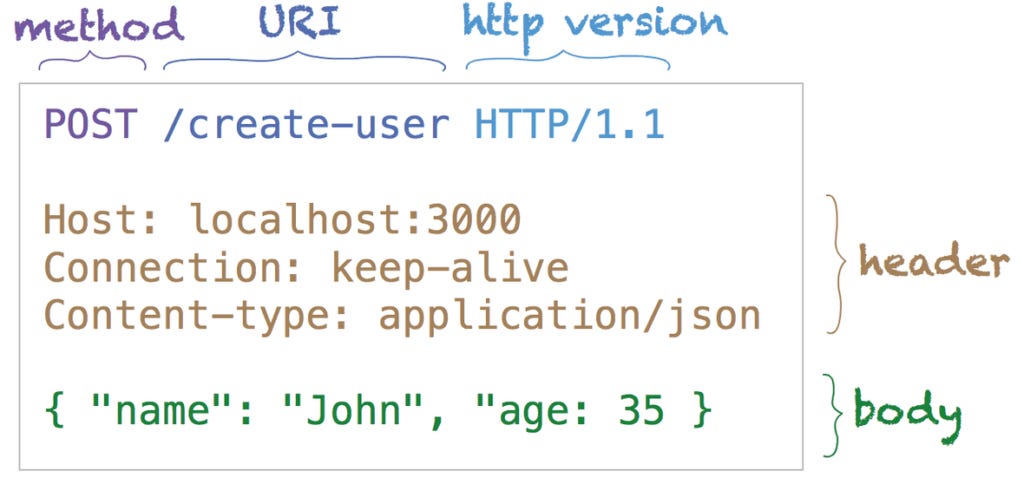
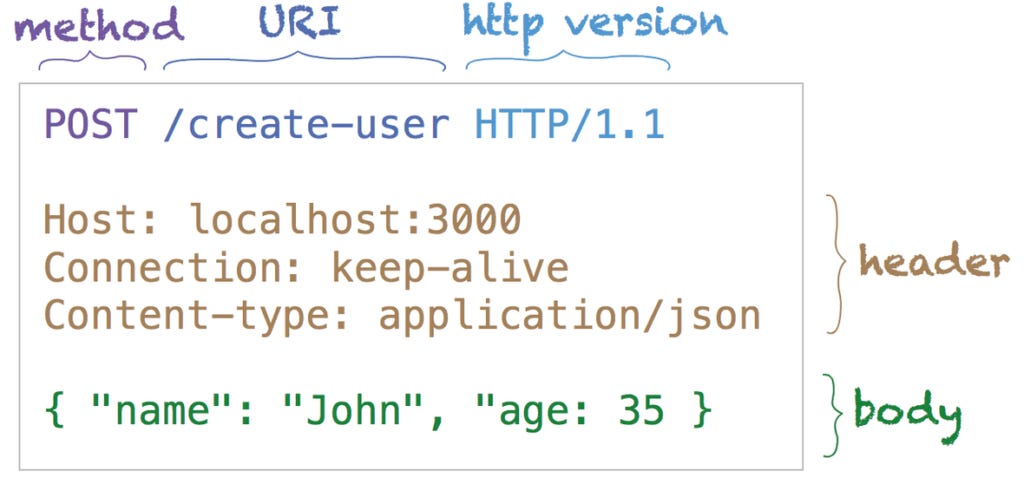
HTTP request types look simple. But in interviews, you may need to explain safe vs idempotent, PUT vs PATCH, or why your API call failed because of CORS. This post will help you do that with confidence.
Why This Topic Matters
HTTP is how browsers and servers talk.
If you use fetch() or work with APIs, you use HTTP requests every day.
Why interviewers ask about it:
Junior level: They want to see if you know the basics (GET vs POST).
Mid-level: They check if you know REST rules and method behavior.
Senior level: They see if you can choose the right method for speed, safety, and scaling.