
Beyond Code: Soft Skills & Team Fit in Tech Interviews (Lessons from 8 Years on Both Sides)
Why “How do you handle disagreements?” can decide more than any coding task.

Why This Post Is Paid
This article is part of my Frontend Interview Mastery series — long posts based on real experience from my 8 years in tech interviews.
In free posts, I share small coding tips.
In paid posts, you’ll get:
Real stories from my own career (both as candidate and interviewer).
Honest lessons I learned the hard way.
Example answers that show teamwork, not just “smart” code.
The red flags I’ve seen destroy interviews.
How I prepare today for culture-fit and soft skills questions.
👉 If you ever passed the coding round but failed the “team fit” one — this post is for you.
1. The Shift in Interviews
When I first started in tech, I thought interviews were a coding battlefield.
LeetCode, algorithms, React hooks, system design diagrams — I drilled them all.
And then came the question that changed everything:
👉 “Tell me about a time you had a disagreement at work.”
I froze.
I gave some clumsy answer about “proving I was right.” At the time, I thought I sounded confident. In reality, I probably came across as arrogant. A week later: rejection.
That day, I realized something that took me years to fully understand:
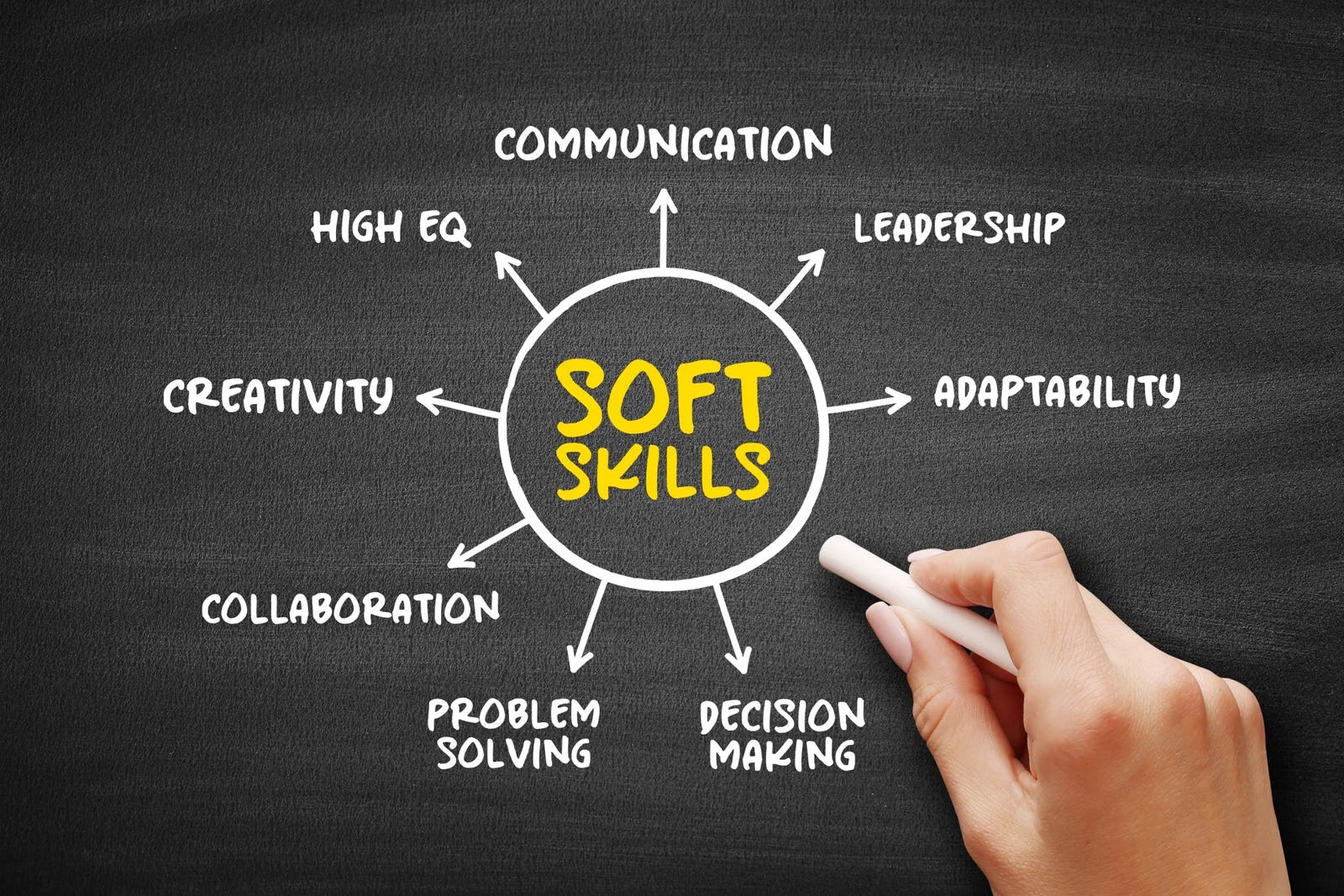
💡 Even if you write flawless code, nobody wants to work with you if they think collaborating will be painful.
And it doesn’t stop there:
In remote teams, your ability to write a clear Slack message matters as much as your pull request.
In large companies, processes and respectful communication decide whether people trust you.
In startups, staying calm under chaos makes you more valuable than solving the coding task a few seconds faster.
Now, after 8+ years of interviews (both sides of the table), I’ve seen this again and again:
👉 The “soft skills” round is not the warm-up. It’s the silent filter. It decides if your code even gets a chance to matter.
And that’s exactly what this post is about.
🔒 Paid section starts here — with real stories, model answers, and mistakes to avoid.
2. Handling Disagreements
I remember a project where I strongly disagreed with how the backend API was designed. I was sure my way was better. At first, I just pushed harder. I explained, argued, even repeated myself louder.
It didn’t work. People got defensive. The mood in the team got worse.
Later, I changed my approach. Now when I face disagreements, I try to:
Listen first. I ask, “Can you explain why you prefer this?” Sometimes I find reasons I didn’t see.
Look for common ground. I say, “Okay, we both want the product to be fast and stable. Let’s compare which option supports that better.”
Be open to compromise. Even if my idea is good, sometimes adjusting is better than fighting.
💬 Good interview answer could be:
“When I have disagreements, I try to listen first and understand why the other person thinks differently. Then I bring my view with data or examples. I focus on the shared goal, not winning the argument. Most times, this leads to a better solution and a stronger relationship.”
💬 Bad interview answer:
“I just keep explaining my way until people agree.”

3. What Do You Value in a Team?
At one point in my career, I worked in a team where everyone did their own thing. No real communication. No sharing. The codebase worked, but slowly. Deadlines slipped. People didn’t enjoy it.
Later, I joined a team where trust and respect were real. People gave feedback carefully, helped juniors, and admitted when they were stuck. We finished tasks faster, and honestly, I looked forward to work every morning.
That experience changed how I answer this question.
💬 Good interview answer could be:
“I value trust, respect, and open communication. I want to be in a team where people feel safe to ask questions and share ideas. Feedback should be supportive, not destructive. When a team works like that, people grow faster and the product is better too.”
💬 Bad interview answer:
“I just like to work alone, so I don’t need to depend on others.”
4. Red Flags That Kill Offers
I’ve seen strong candidates lose offers not because of weak technical skills, but because of what they said in the “soft skills” round. Sometimes just one sentence changes the whole impression.
🚩 Rejecting feedback completely
“I don’t like feedback, I just prefer to work on my own.”
This signals you’ll be difficult to work with, especially in teams where code reviews are part of the culture.
🚩 Blaming others
“The problem in my last job was the design team, they were slow.”
Even if it’s true, pointing fingers sounds toxic. Interviewers want problem-solvers, not complainers.
🚩 Only “I”, never “we”
Talking only in “I did this, I fixed that” instead of “we built this together” makes it sound like you don’t recognize teamwork.
🚩 Overconfidence without reflection
“I never really make mistakes — I usually know the best way.”
I once heard this in a panel interview. Everyone looked at each other. Confidence is good, but zero humility is a red flag.
🚩 Talking badly about previous managers
In one interview, a candidate went on a rant about how their “last boss didn’t understand anything.” That might be true, but interviewers immediately imagine: “What will this person say about us in the future?”
🔍 My own lessons
I also made these mistakes earlier in my career.
Once, when asked about a conflict, I answered in a way that made it sound like I was the only one right and others just “didn’t get it.” I thought I was showing strength. In reality, it showed I wasn’t listening.
Another time, I gave too much detail about how “slow” a past process was. I didn’t realize I sounded negative instead of constructive.
Today, I prepare differently: I frame conflicts around solutions, lessons, and teamwork. Even if the story starts negative, I make sure it ends with growth.
💡 What interviewers actually want to hear:
That you can handle tough situations without breaking trust. They want to see if you’ll stay constructive when things go wrong.
5. Latest Trends in Team Fit
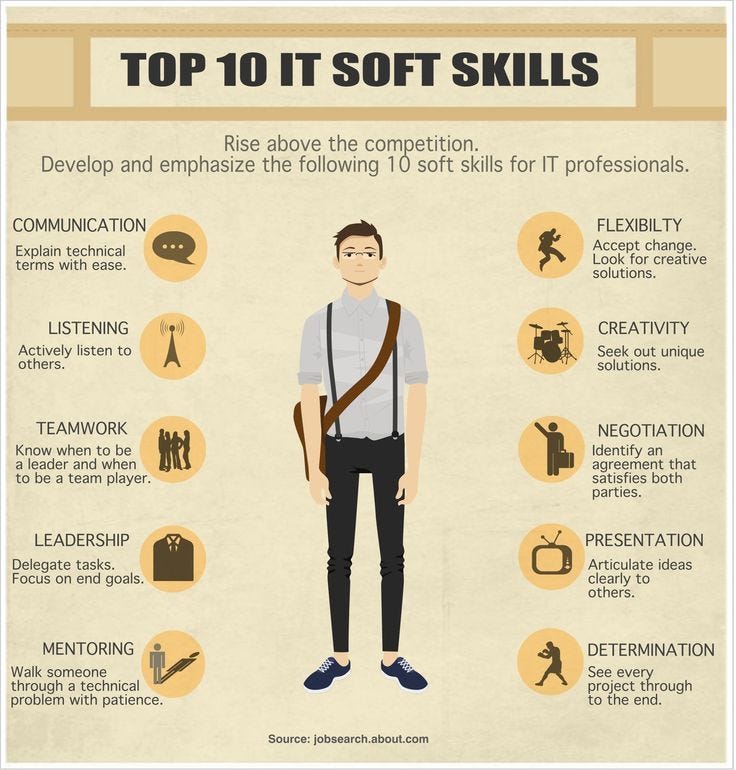
Remote-first culture → Clear written communication is as important as speaking. Good pull requests, simple docs, and calm Slack messages show maturity.
AI collaboration → Copilot is fine, but explain how you keep your team in the loop (e.g., reviewing and explaining AI-generated code).
Cross-functional teams → You’ll work with design, product, and backend. Respecting their input is a big signal interviewers look for.
Global & diverse teams → More companies hire worldwide. Being open to different cultures, accents, and working styles is part of team fit now.
Async communication → Not every teammate is online at the same time. Leaving clear notes, task updates, and decisions in writing builds trust.
Psychological safety → Teams want people who ask questions and admit mistakes. Saying “I don’t know yet” or “I made an error, here’s how I fixed it” shows trustworthiness.
6. My Interview Prep Playbook
Here’s what I do now to prepare for soft skill rounds:
Pick 5 real stories → disagreement, teamwork win, feedback, deadline crunch, mistake + lesson.
Use STAR → Situation, Task, Action, Result.
End with a lesson learned → shows growth.
Align stories to the job description → teamwork, ownership, async comms.
Practice two versions → 60s short + 2–3 min long.
Add quick numbers → even rough metrics impress.
Rehearse out loud → clear and calm, not rushed.
Have go-to phrases → “We both want X, here are two ways…” / “Thanks, I’ll try that.”
Prepare 2–3 written examples → PRs, docs, Slack notes for comms questions.
Close strong → “I like teams that communicate clearly, help each other, and ship in small steps.”
💡 One of my real answers:
“We had a conflict over feature priority. First, I asked the product manager why it was urgent. Then I explained the technical risk. In the end, we split it into two phases: small MVP now, full feature later. That way, we delivered quickly and safely.”
This type of answer shows teamwork, compromise, and focus on the result.
Main Takeaways
Soft skills are a filter, not a bonus. Even strong coders lose offers if they sound hard to work with.
Disagreements matter more than algorithms. Show you can listen, compromise, and keep trust.
Team values are the real test. Respect, communication, and psychological safety stand out.
Red flags cost jobs. Blame, arrogance, and negativity kill interviews fast.
Stories win interviews. Prepare real examples using STAR, practice them out loud, and always end with growth.
💬 Have you ever lost an offer because of the “soft skills” round? Share your story — I might feature it in a future post.